I Came for the Golden Pagoda and Stayed Two Hours Talking to a 22-Year-Old Monk
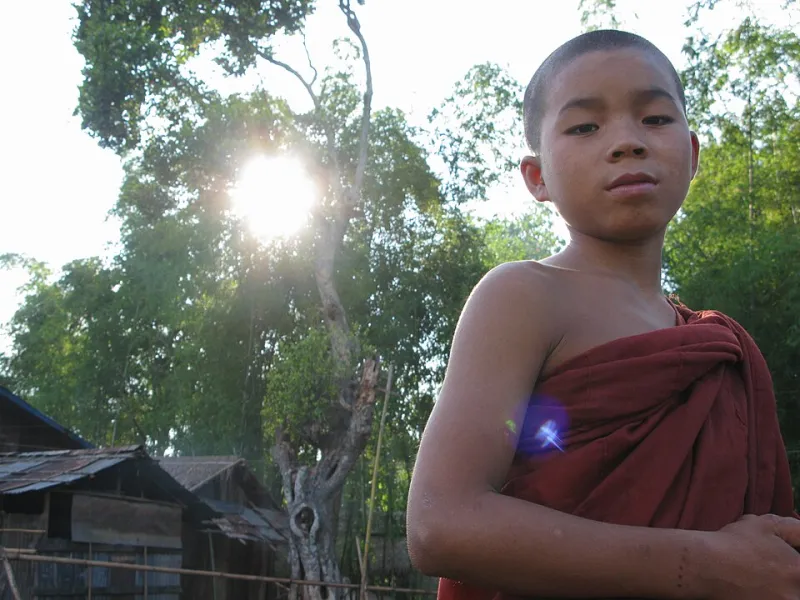
Photo: Vyacheslav Argenberg, CC BY 4.0, via Wikimedia Commons
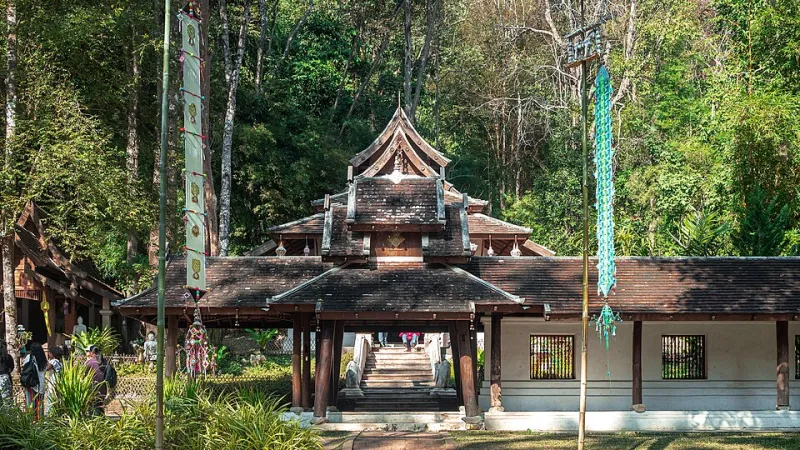
I had a plan that morning. Wat Phra Singh, photos of the golden chedi, maybe a smoothie afterward, then on to the next temple. You know the itinerary — the one we all pretend we're not following.
Then a sign near the courtyard stopped me: "Monk Chat. Practice English. Free. All welcome."
Two hours later I was still there, cross-legged on a mat, deep in a conversation with a young monk from a village near the Myanmar border about whether American football counts as football (he said no, decisively). Nobody sold me anything. Nobody rushed me out. It was, hands down, the best thing I did in Chiang Mai that week — and it cost exactly nothing.
What Monk Chat Actually Is
Chiang Mai is sometimes called the "Rose of the North," but it could just as easily be called a university town for Buddhism. Thousands of young men from across northern Thailand and neighboring countries come here to study, and many of them are quietly working on their English.
Monk chat programs flip the usual tourist-temple dynamic. Instead of you gawking at them, you sit down and they interview you. Where are you from? Why did you come to Thailand? What do people in your country think about reincarnation? The monks get English practice; you get a window into a world most visitors only photograph.
The most well-known sessions happen at Wat Chedi Luang in the Old City, typically late afternoon on weekdays. Wat Suan Dok, west of the old moat, runs a longer-running program often tied to its monastery university. Several smaller wats have informal versions too — if you see young monks studying in a pavilion with a sign inviting conversation, that's your opening.
The Rules (There Aren't Many, But They Matter)
A few things to know before you sit down:
- Dress respectfully. Shoulders and knees covered — the same standard you'd use anywhere else in the temple. Bring a light scarf or a cheap pair of fisherman pants; you'll use them all over Thailand anyway.
- Women, don't touch the monks. This isn't a snub — it's monastic discipline. Don't hand anything directly to a monk if you're a woman; set it down on a surface between you. Nobody expects you to know this, but knowing it is a quiet sign of respect that gets noticed.
- Sit lower than the monks if you can — a chair or mat at their level or below is the norm.
- Don't ask about money or push personal details. Questions about their family back home are fine; interrogating them about why they ordained is not the vibe.
That's basically it. The monks are more forgiving of awkward tourists than you'd expect. They've fielded every bad question imaginable, and they laugh easily.
What to Ask (and What Actually Lands)
The generic stuff — "why did you become a monk?" — gets you a rehearsed answer. What worked better for me:
- "What's a normal day like here?" You'll hear about 4 a.m. chanting, alms rounds, and study schedules that would make an American pre-med student weep.
- "What do you miss most from home?" One monk told me his mother's khao soi, and suddenly we were talking about our families for twenty minutes.
- "What's something about temple life that surprised you?" Honest answers live here.
- Ask them to teach you a word or two. Trying (badly) to say thank you in northern Thai dialect got the biggest laugh of the afternoon.
And be ready to answer real questions back. Where is Kansas, exactly? Why do Americans work so much? One monk asked me, with total sincerity, whether I was happy with how I spent my days. I'm still thinking about it.
Why This Beats Any Tour You Could Buy
Here's my honest opinion: most cultural exchange on a typical trip is transactional. You pay a guide, get a script, tip, leave. It's fine. It's also forgettable.
Monk chat is the opposite. It's unscripted, it's mutual — you're not a customer, you're a conversation partner — and it only works if you slow down enough to let it happen. Which, if you've read anything else on this site, you know is kind of our whole thing. Chiang Mai rewards the traveler who lingers. The temple you planned to spend twenty minutes in becomes an afternoon. A stranger becomes a name you remember years later.
There's a practical bonus, too: the monks are often the best free guides in the city. Ask them which local festivals matter, which nearby wats tourists never find, what their favorite khao soi spot is. They'll send you to places no top-ten listicle covers.
If You Go
Go on a weekday, ideally late afternoon when sessions are most reliable. Come with an hour open in your schedule — more if you can. Leave your phone in your bag. And when the conversation drifts somewhere unexpected, follow it.
The golden pagodas will still be there when you leave. The conversation might be the thing you actually take home.