Thirty Minutes South: The Chiang Mai Day Trip That Feels Like a Different Province
Photo: Unknown authorUnknown author or not provided, Public domain, via Wikimedia Commons
Ask ten travelers in Chiang Mai what day trip they're taking and nine will say Pai. The tenth will say they haven't left the Old City since they landed. Nobody — and I mean nobody — says Hang Dong.
That's a shame, because thirty minutes south of the moat, Chiang Mai turns into the countryside most visitors assume requires a three-hour mountain drive: rice paddies pressed against the road, kilns smoking in family compounds, long-tail boats cutting across a lake, and coffee shops that seem to exist purely for the two people who find them.
I've done this loop three times now, twice on a rented scooter and once with a private driver (about 1,200 baht for the day, worth it if you're not confident on two wheels). Here's how to do it right.
Start at the Market, Not the Sights
Roll out of the city by 8 a.m. on the Canal Road (Highway 121) heading south, and make your first stop unglamorous: a roadside market in Hang Dong for khao soi or a bag of fried bananas. Eating breakfast where the vendors aren't speaking English sets the tone for the whole day. This isn't an attraction. It's just a Saturday in the countryside, and you happen to be in it.
Pottery, the Old Way
The village of Ban Kham Paeng, just off the main road, has been making water jars and mortar bowls for generations. You'll see the same wide-mouthed pots stacked outside houses that you've seen in restaurants all over the city — this is where they come from. A few workshops will let you watch the potters work, and some will hand you a lump of clay if you ask nicely. Bring cash if you want to take home a piece; the prices will make you laugh compared to what the same bowl costs in a Stateside home goods store.
The Antique Barns of Hang Dong
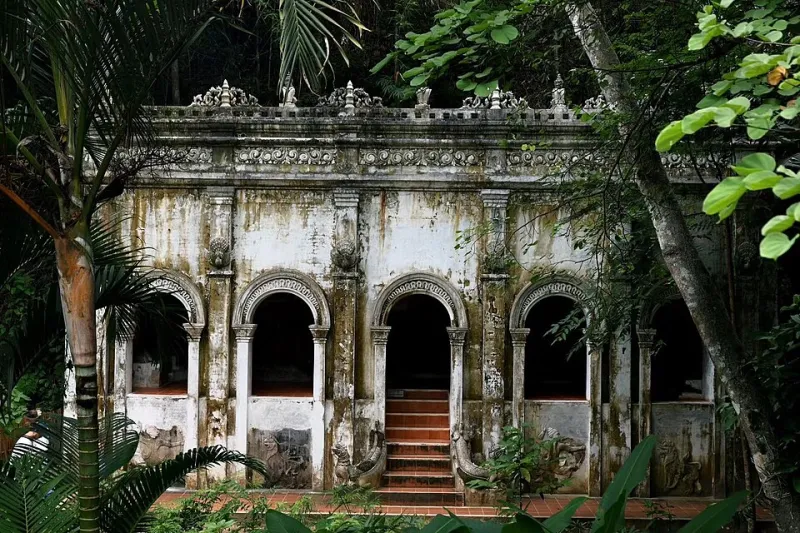
Then things get weird, in the best way. Along the back roads around Hang Dong, a handful of enormous warehouses and open-air lots deal in reclaimed teak, old spirit houses, temple doors, and furniture salvaged from houses being torn down across northern Thailand. Places like Baan Tawai's sprawling woodcarving district blur the line between workshop and flea market. You don't need to buy anything — half the fun is wandering through rooms of hundred-year-old shutters stacked floor to ceiling. If you do find something, shipping to the US is a whole conversation, so maybe start small. A carved mirror frame fits in a duffel bag. A teak pillar does not.
Lakeside Lunch and a Hammock
By early afternoon, keep pushing south toward San Patong and detour to the water. The lakes around here — small reservoirs ringed with bamboo platforms — have floating rafts where you can order a fish lunch and a cold drink, then lie in a hammock while the wind does the rest. It's the kind of afternoon that American national parks make you hike six miles to earn, and here it costs less than a salad back home.
Coffee With a View of the Rice
On the way back north, you'll pass the stretch that justifies the whole trip: rice-field cafes. This is the Chiang Mai coffee scene's rural cousin — no laptops, no lo-fi playlist, just a deck built over the paddies and a properly good flat white. If you've read our takes on the city's farm-to-cup roasters, know that the beans out here often come from the same highland farms. The difference is the soundtrack: instead of espresso machines and keyboard clatter, it's frogs and the drone of a neighbor's water pump.
Practical Notes Before You Go
- Getting there: Scooter rental runs 200–300 baht a day. If you'd rather not ride, negotiate a private driver for the day — most guesthouses can arrange one.
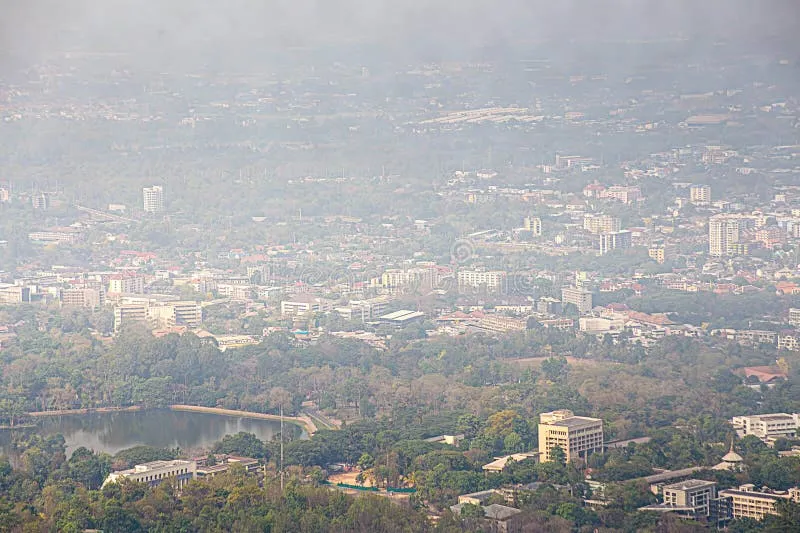
- When: November through February is ideal. Skip the burning season (roughly February to April) — the countryside views disappear under haze.
- Cash: Small vendors and pottery workshops won't take cards. Carry small bills.
- Time budget: Leave by 8 a.m., you'll be back by 5, in time for a sunset beer back in the city and a smug sense of having seen the Chiang Mai that guidebooks skip.
Why This Beats the Bus to Pai
I say this with love: the road to Pai is gorgeous and also full of exactly the people you flew 9,000 miles to escape. Hang Dong and San Patong offer the same rural texture — fields, crafts, slow food, water — with a fraction of the traffic and none of the itinerary anxiety. It's slow travel without the performance of it.
The best part? If it rains, you just turn around. Try doing that halfway up the mountain to Pai.