What a Cleaning, a Blood Panel, and a Pharmacy Run Actually Cost Me in Chiang Mai
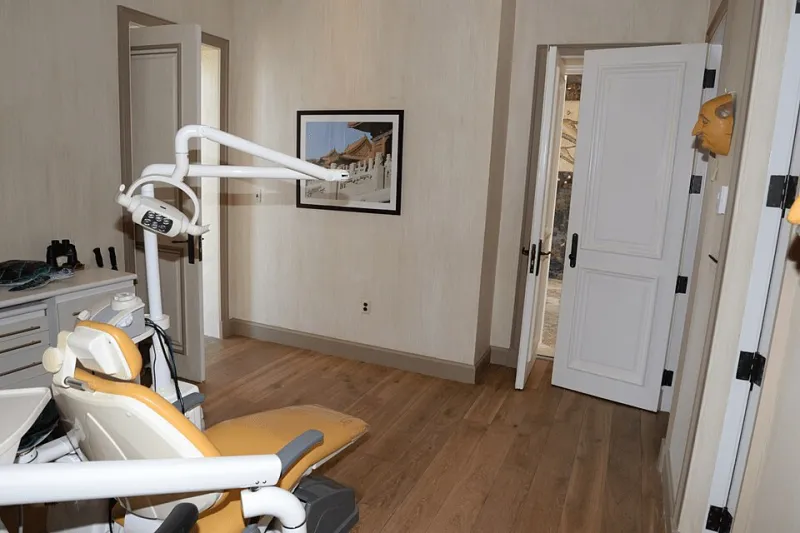
Photo: Federal Bureau of Investigation, Public domain, via Wikimedia Commons
I moved to Chiang Mai with a molar that had been quietly threatening me since Chicago and an American insurance plan that stops working somewhere over the Pacific. What I found here is neither the terrifying mystery those US news segments imply nor the miracle the expat forums promise. It is just healthcare, priced for the country it is in and organized in a way that takes about two visits to understand.
Here is the honest version of what a month of routine medical business cost me, and what I would tell a friend landing at CNX tomorrow.
The Cleaning That Cost Less Than Dinner
I booked a cleaning at a small dental clinic off Nimmanhaemin Road. The front desk quoted 1,200 baht before I sat down, took an X-ray for another 300, and handed me a receipt in English without being asked. Call it 1,500 baht, roughly $43 at 35 baht to the dollar. The appointment ran 45 minutes. The dentist spoke serviceable English, explained a hairline crack in a lower premolar, and did not try to sell me a crown.
Ranges I have seen quoted around town this year: cleaning 800 to 1,800 baht; a simple filling 1,000 to 2,500; a crown 6,000 to 12,000; a root canal 4,000 to 9,000 per tooth. Private hospitals sit at the top of every one of those ranges. Standalone clinics sit at the bottom. Neither is automatically better, and the gap between them is usually about waiting rooms, not hands.
Choosing a Clinic Without Guessing
Three things matter more than star ratings.
First, does the clinic handle foreigners as a matter of routine? That means English intake forms and a website or Facebook page that lists prices. Not fluent prose, just numbers on a page.
Second, can you get an appointment within a week? If the answer is three weeks for a cleaning, the clinic is either excellent or overrun, and either way you should have a backup.
Third, will they quote you a range before they start? Any practice that dodges the question is one to walk out of politely.
Chiang Mai has roughly three tiers. Neighborhood clinics are cheap, fast, and mostly Thai-language, with one bilingual staffer holding the whole thing together. Mid-size polyclinics around the old city and Nimman are set up for visitors, post prices, and are where most long-stayers end up. And then the big private hospitals on the ring road, which are genuinely excellent, genuinely expensive by local standards, and still a fraction of US costs. There is also the public university hospital, which is where you go if you have time, patience, and a real problem you cannot afford to overpay for.
What English Support Actually Looks Like
Mostly it lives at the front desk. A nurse with good English takes your history, the doctor has less, and everybody makes it work. Bring your phone with a translation app, a written list of medications and doses, and the one specific question you actually want answered. Vague complaints produce vague consults here just like anywhere.
Blood Work and the Joy of the Paper Envelope
I did a basic panel at a standalone lab near the moat: complete blood count, lipids, fasting glucose, liver and kidney function. Total, 1,300 baht, about $37. Results came back the same afternoon in a sealed envelope, printed in Thai and English, with reference ranges that assume you are Thai and middle-aged. I am not, and my doctor at home later told me the numbers were fine anyway.
The trick is that labs take walk-ins. At a hospital, the same tests run 2,500 to 4,000 baht once you add the consultation fee, which is 800 to 1,500 baht on its own. If you know what you need and can read a lab report, skip the middleman. If you do not know what you need, see a doctor first. That is not a shortcut worth taking.
The 7-Eleven Pharmacy Run
Thai pharmacists do more triage than their US counterparts. Describe a sore throat and they will look in your mouth, sell you lozenges and an antihistamine, and tell you to come back in three days if it is worse. That is genuinely useful. Do not push it into antibiotics. Thailand has tightened rules on dispensing them without a prescription, enforcement varies by shop, and self-prescribing is how you end up with a resistant infection and a bigger bill.
Bring your regular prescriptions in their original packaging with the label visible. Common items, antihistamines, rehydration salts, generic ibuprofen, sunscreen, insect bite cream, cost a couple of dollars and are on the shelf at any convenience store. Anything prescription-strength goes through a clinic.
Insurance: The Part Nobody Explains Until It Matters
Travel insurance is built for accidents, not maintenance. Read your policy for the word elective. Routine dental is almost always excluded. Anything you knew about before you left is usually excluded too. Emergency care is what you are actually buying, and it is worth having, because a motorbike accident in Chiang Mai can run into six figures of baht very quickly.
If you are staying months rather than weeks, price a local policy or an international plan with Thailand coverage. Direct billing exists at some private hospitals with some insurers, but assume you will pay first and claim later. That means an itemized receipt, a medical certificate with a diagnosis code, and a clear photo of both before you leave the building. Chasing paperwork from 8,000 miles away is the worst part of any claim.
And if something is genuinely serious, go to a private hospital emergency room. They treat first. The billing conversation happens after, and it is survivable. Just do not test that theory on a rented scooter at midnight.
The Small Stuff That Surprises Americans
Clinics close for lunch. Appointments are more like windows than contracts. Nobody will ask for your insurance card, because nobody expects one. The whole experience is quieter and less paperwork-heavy than what you are used to, which is disorienting in its own way.
I still keep every receipt in a Manila folder. I have not needed one yet. That folder is the cheapest insurance I have.