Seven Days, Fifteen Bucks a Day: What Eating Like a Local in Chiang Mai Actually Costs
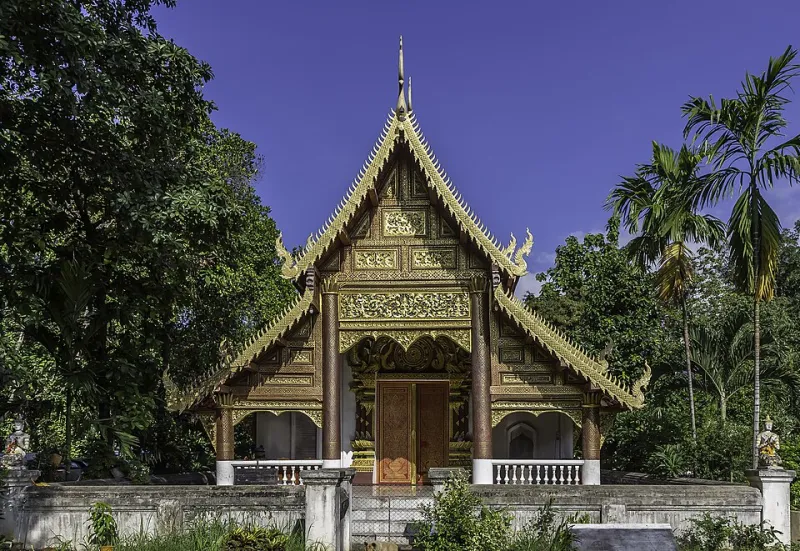
Photo: Stefan Fussan, CC BY-SA 3.0, via Wikimedia Commons
Americans will spend three hours hunting for a $80 flight to Thailand and then blow $25 on airport food before the plane even takes off. We obsess over the big number and ignore the small ones that actually decide how long we can stay.
So I ran the experiment backwards. Instead of chasing a cheap ticket, I capped my food spending at $15 a day — roughly 500 baht — for one full week in Chiang Mai. Every meal counted. No skipping lunch to game the math, no fancy flat whites hiding in the column. Here's the honest ledger.
The Ground Rules
$15 a day is not a poverty challenge here. It's actually generous. Plenty of locals eat on half that. But I wanted room for coffee, a fruit shake, and the occasional sit-down dinner — the things that make a trip feel like a trip rather than a survival exercise.
My rules: everything had to come from markets, street carts, or hole-in-the-wall curry shops. One restaurant meal per week allowed. And I wrote down every baht as I spent it, because memory lies and receipts at a 35-baht noodle cart don't exist.
Day One: The Market Breakfast Revelation
I started at a wet market near Chang Phuak Gate, where the morning crowd is mostly grandmothers and motorcycle delivery guys. Khao kha muu — braised pork over rice — ran me 40 baht. A Thai iced coffee from the cart across the aisle: 20 baht. Total breakfast: about $1.70.
I'd been in Chiang Mai for two weeks at that point and was still paying 120 baht for avocado toast in the Nimman neighborhood. That morning stung a little.
The Running Total, Dish by Dish
Here's the shape of the week:
- Breakfasts (khao soi, congee, or pork rice from markets): 35–50 baht daily
- Lunches (noodle soup, stir-fried basil with rice, curry plates): 40–60 baht daily
- Dinners (night market stalls, one riverside restaurant splurge): 60–150 baht
- Coffee (one proper café day per day, because this is still me): 50–70 baht
- Fruit and snacks (mango, sticky rice, the occasional roti): 20–40 baht
The biggest single day came in at 512 baht — about $14.60 — and included the one restaurant meal I allowed myself: a khao soi at a place tourists have discovered, which charged nearly double what the same bowl costs three streets over.
The cheapest day? 247 baht, or about seven bucks. That was the day I ate breakfast and lunch at the same market stall and the owner, a woman named Pi Noi who had started calling me by my order instead of my name, threw in a free bag of fried bananas. That's the part no spreadsheet captures.
Where the Money Actually Goes
The lesson of the week wasn't that Chiang Mai is cheap. You knew that. It's that where you eat matters about ten times more than what you eat.
The same bowl of khao soi ranges from 40 baht to 180 baht depending on how close it sits to an Instagram caption. The food is often identical. Sometimes the 40-baht version is better — the stall has been ladling the same curry paste for thirty years and doesn't care about your camera.
My biggest accidental expense was coffee. A daily latte at a laptop-friendly café runs 60–80 baht, which is still a third the price of one in Portland, but it's the fastest way to eat through a 500-baht budget. Market coffee at 15–20 baht tastes, honestly, just as good alongside a bowl of jok.
What $15 a Day Buys You, Really
Over seven days I spent 3,062 baht — $87.34. I ate khao soi four times, congee three mornings, more mango than my dermatologist would approve of, and never once felt like I was roughing it.
For context: $87 is two dinners at a mid-range restaurant back in the States, before tip. Here it was a week of eating well, meeting stall owners, and learning which night market vendors wave and which ones overcharge.
That's the real argument for slowing down. The food budget isn't about saving money — it's that eating at markets forces you into the rhythm of the city. You eat when the locals eat. You learn that the curry pot empties by 1 p.m. and the good mango shows up in April. You stop being a customer and start being a regular.
Fifteen dollars a day doesn't just feed you in Chiang Mai. It lets you in.