Getting Hit Politely: A Month in Chiang Mai's Muay Thai Gyms, Starting From Zero at 40
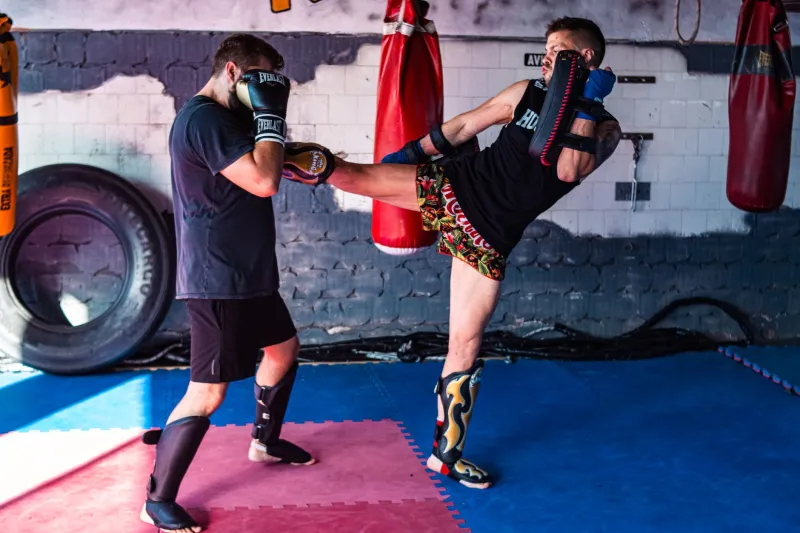
I have never thrown a punch in my life. I'm 40, I work on a laptop, and until three months ago the most athletic thing I did regularly was carry groceries up two flights of stairs. So naturally, I signed up for a month of Muay Thai in Chiang Mai.
The decision made more sense on the ground than it does on paper. Back home in Denver, a single fitness class runs $25 and everyone in it seems to already know what they're doing. In Chiang Mai, a full month of unlimited training at a good gym costs roughly what I'd spend on four classes in the States. The city has quietly become one of the world's great training hubs — fighters come here from Australia, Japan, and Europe to sharpen up in the cooler climate and cheaper cost of living, and that means the infrastructure exists for absolute beginners like me, too.
Picking a Gym Without Overthinking It
There are dozens of Muay Thai gyms scattered around Chiang Mai, from bare-bones setups in the backstreets of Santitham to polished facilities with weight rooms and saunas out toward Hang Dong. I visited five before committing, and the differences mattered less than I expected. What I was really shopping for was atmosphere.
Some gyms cater almost entirely to tourists passing through for a week. Others have a core of locals and long-term residents who train year-round. I ended up at a mid-sized gym near the Chang Phueak side of the moat where the morning class was maybe fifteen people: a Swedish backpacker, two Thai teenagers, a French couple in their fifties, and a professional fighter who trained in the corner like the rest of us were furniture.
A few practical things to check when you visit: whether pads are included in the price or rented separately, how many trainers are on the floor during class (more trainers means more pad work and less standing around), and whether they offer a trial session. Most gyms will let you try a class for 300 baht or so before you commit to a month, which runs anywhere from 4,000 to 8,000 baht depending on the place.
What a Training Day Actually Feels Like
The classic schedule is two sessions: one at 7 a.m., one at 4 or 5 p.m. I learned quickly that you don't have to do both. Nobody cares. The Thai trainers have seen every variety of motivated and unmotected foreigner pass through, and they calibrate accordingly.
A morning session starts with a run or skipping rope — I skipped the run, walked in late, and was greeted with a shrug. Then rounds on the bag, pad work with a trainer, and technique drills. The trainers speak just enough English to run a class, and they communicate the rest through demonstration and a kind of patient, physical editing. When my kick was wrong, Kru Somchai didn't explain it. He moved my hip with one hand like he was adjusting a camera on a tripod, and then it was right.
By the third week, my shins were a patchwork of bruises and I'd stopped noticing. This is the part they don't put in the brochures: getting hit is part of the deal, even at the beginner level. You check kicks against your partner's shins. You absorb a certain amount of contact in clinch work. It's all polite — there's a genuine etiquette to it, a nod of apology when someone catches you hard — but it's contact nonetheless, and at 40 my body filed formal complaints every night.
The Unexpected Part: Structure
Here's what nobody warned me about. I came to Chiang Mai as one of those slow travelers with too much unstructured time — the kind who tells themselves they'll write a novel and instead spends an hour deciding which café to work from. Muay Thai handed me a schedule. Up at 6, train at 7, breakfast at the market by 9, work from 10 to 3, nap, train at 5, eat everything in sight, asleep by 10.
That rhythm rearranged my whole month. And the gym gave me something rarer: community on autopilot. I didn't have to engineer friendships. I just showed up and sweated next to the same people every day, and by week two we were getting mango sticky rice together after evening sessions.
A Few Things I Wish I'd Known
Buy your own hand wraps and gloves early — the gym's loaner gloves are a biohazard by any measure. Bring ibuprofen and be honest with yourself about rest days; at my age, training six days a week was a fantasy and four was reality. And if you're coming during March or April, remember the burning season makes outdoor cardio genuinely miserable — the cool months from November through February are ideal.
I'm not going to tell you Muay Thai changed my life. But I left Chiang Mai fitter than I've been in a decade, with a standing 7 a.m. habit I've somehow maintained back home, and with a shakier but real understanding of what my body can still learn. Being a beginner at 40 is humbling in the best possible way. The bruises fade. The habit, weirdly, doesn't.