Seven Days of Silence in the Hills Above Chiang Mai: A Skeptic's Guide to Meditation Retreats
I signed up for a seven-day silent meditation retreat the way most Americans do: impulsively, at 11 p.m., three days before it started, half-convinced I'd bail by Wednesday.
I didn't bail. And I'm here to tell you that if you've ever typed "meditation retreat Thailand" into a search bar at some ungodly hour, Chiang Mai is probably the easiest place on earth to actually follow through.
Why Here, of All Places?
Northern Thailand has a long monastic tradition, and unlike a lot of "wellness destinations," the real thing isn't gated behind a $400-a-night price tag. Several temples and centers around Chiang Mai — from introductory programs in the old city to retreat centers tucked into the hills near Mae Rim and Doi Suthep — run structured courses taught (or at least instructed, with translated materials) in English.
The result is a strange and wonderful ecosystem: backpackers doing a one-day intro between hostels, burnt-out remote workers committing to a full week, and Thai locals coming for the same reasons you are. Nobody's performing enlightenment. Everyone's just tired in a familiar way.
The Practical Stuff Nobody Explains
Registration: Most centers want you to book online in advance, especially for the multi-day retreats, which often cap attendance. One-day introductions at city temples frequently run on a walk-in or simple pre-registration basis.
Cost: Here's the part that breaks American brains — many retreats run on donation (dana). You give what you can. A week of lodging, simple meals, and instruction for the price of a nice dinner back home is not uncommon.
Etiquette: Shoulders and knees covered, always. Shoes off before entering any teaching hall. No phones — genuinely, they get collected or locked away, and you'll survive it. Most retreats ask for silence from evening through the following morning at minimum; multi-day retreats extend this to the full duration.
Language: Don't panic. Instruction at the foreigner-friendly centers is in English or comes with translated handouts and audio. You will not be asked to do anything you don't understand.
What a Week of Doing Nothing Actually Feels Like
The schedule sounds brutal on paper: wake before dawn, alternating sitting and walking meditation, two meals before noon, lights out early. Day one, my mind treated it like an escape room, looking for exits. Day three — the wall everyone warns you about — I was bored in a way I hadn't been since summer vacations as a kid.
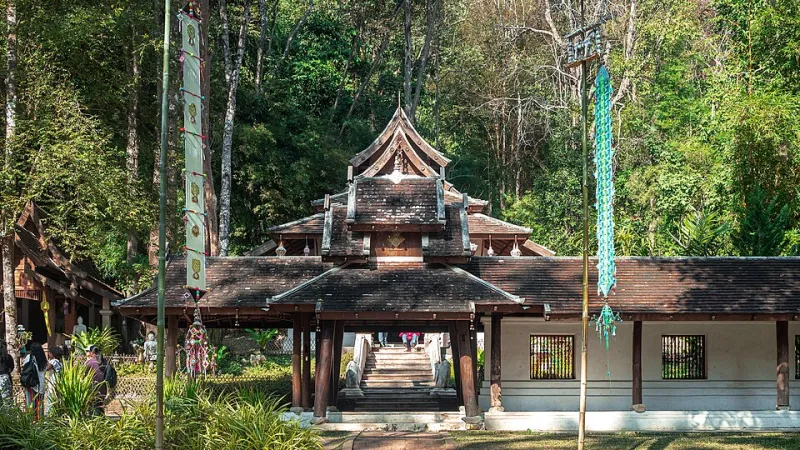
Then something shifted around day four or five. Not fireworks. Just... space. Meals tasted louder. The hills around Mae Rim, all green and dripping after afternoon rain, became genuinely interesting instead of background scenery.
Before You Book
A few honest caveats: multi-day silence isn't for everyone, and if you're navigating grief or serious mental health stuff, talk to a professional first — retreats are intense, not a cure-all. Start with a one-day course if you're unsure. Bring loose, modest clothing, earplugs, and zero expectations of a transformation montage.
What you'll get instead is quieter and stranger: a week where the loudest thing is the rain, and where doing absolutely nothing turns out to be the hardest and most restorative thing you've done in years. In a city built for slowing down, that might be the most Chiang Mai souvenir there is.