The Beans Are From Here: Chiang Mai's Farm-to-Cup Coffee Scene Deserves Better Than Your Laptop
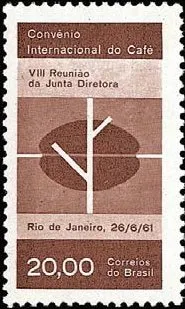
Photo: Post of Brazil, Public domain, via Wikimedia Commons
Let me start with a confession: I've spent entire afternoons in Chiang Mai cafés staring at a spreadsheet, drinking coffee that deserved my full attention. If you've done the same, this one's for you.
Here's the fact that changed how I drink coffee in this city: some of the world's best arabica is grown in the highlands of northern Thailand — in Chiang Mai, Chiang Rai, and Mae Hong Son provinces — often less than two hours' drive from the café where you're sipping it. This isn't imported beans with a local logo slapped on. This is a genuine farm-to-cup ecosystem, and it's quietly made Chiang Mai one of the most serious coffee cities in Asia.
How the Highlands Became Coffee Country
The story starts in the 1970s and '80s, when royal development projects encouraged hill-tribe farmers in the north to switch from opium cultivation to cash crops — including coffee. Arabica loves exactly what the northern highlands offer: elevation between 800 and 1,500 meters, cool nights, and misty mornings.
What started as an agricultural policy turned, over decades, into a craft movement. Farmers started processing their own beans. Young Thais trained as baristas and roasters. And Chiang Mai — small, creative, and cheap enough for experimentation — became the natural place for that coffee culture to land.
The Roasters Locals Actually Go To
The tourist-heavy Old City cafés are fine. But if you want to see the scene the way locals do, spread your wings:
- The Baristro — a local mini-empire with gorgeously designed spaces; the original locations skew more local than the Instagram-famous ones.
- Graph Café — tiny, intense, and beloved; the one inside the One Nimman complex is a good introduction to their playful takes on Thai-ingredient drinks.
- Akha Ama Coffee — founded by an Akha hill-tribe farmer turned social entrepreneur; the beans come from his home village near Mae Chan, and the coffee is a genuine lesson in why origin matters.
- Roast8ry Lab — a competition-level roastery in Lampang province with a Chiang Mai presence; this is where the coffee-nerd rabbit hole goes deep.
What ties them together: direct relationships with highland farms, light-to-medium roasts that let single-origin character shine, and prices that would be unthinkable back in Portland or Austin for this quality.
The Case for the Pilgrimage
Here's my opinion, stated plainly: most digital nomads are wasting Chiang Mai's coffee scene. Not by working in cafés — that's practically the city's civic religion — but by treating the coffee as fuel rather than subject.
You can drink a great single-origin gesha grown 90 minutes from your table almost nowhere else in the world at this price. In Seattle, that cup is a $9 special occasion. In Chiang Mai, it's a Tuesday.
So do the pilgrimage properly:
- Take a farm tour. Several highland farms around Mae On and Doi Saket offer visits where you can pick, process, and roast your own beans. Half a day, unforgettable.
- Ask baristas where the beans come from. They light up. Every time.
- Order by origin, not by drink. A pour-over of Chiang Mai-grown beans tells you more than any latte art ever will.
- One hour of drinking, zero hours of screen time. Pick one café visit per day where you just taste. Novel concept, I know.
Slow Coffee for Slow Travel
The whole pitch of this site is slowing down — temples savored, not collected; neighborhoods wandered, not checked off. Coffee fits that philosophy perfectly. A farm-to-cup scene this good is an invitation to pay attention.
So tomorrow morning, instead of setting up camp at the same Nimman café with the same order, go somewhere new. Ask about the farm. Taste the difference that elevation and processing make.
The beans are from here. The least we can do is notice.