Where the Locals Actually Live: A Ground-Level Map of Chiang Mai's Shifting Neighborhoods

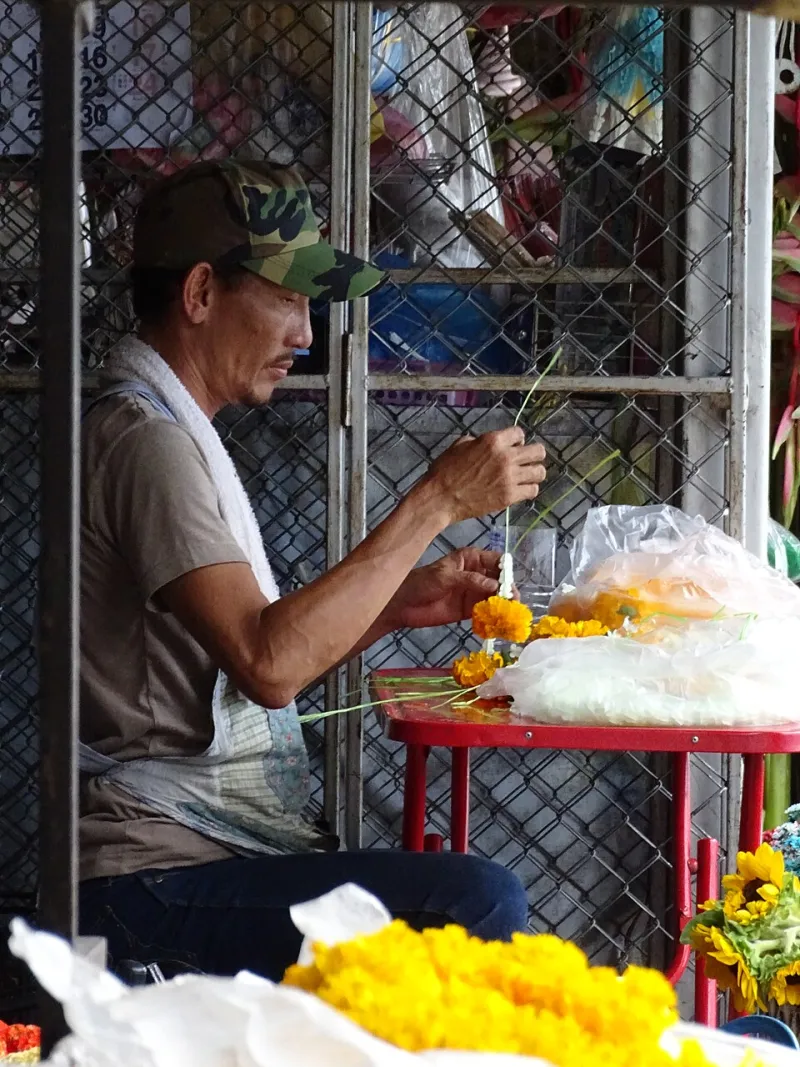
Photo: Chiang Mai neighborhood street local life motorbikes, via i.pinimg.com
Every long-term traveler in Chiang Mai has had the same conversation at some point, usually over a 60-baht latte: are we ruining this place?
It's a fair question. The city has become one of the world's most beloved bases for remote workers, and that love comes with side effects — rising rents, menus in three languages, and entire streets that seem to change character every eighteen months. But the story is more complicated (and more interesting) than "nomads bad, locals displaced." Here's what the neighborhoods actually look like right now, based on a lot of walking and a lot of conversations.
Nimman: The Poster Child, For Better and Worse
Nimmanhaemin Road is the neighborhood everyone pictures when they picture Chiang Mai — boutiques, specialty coffee, brunch spots with exposed brick. What fewer people realize is that Nimman was always a bit of a trendsetter. It grew up alongside Chiang Mai University, and many of the original shops were opened by young Thai entrepreneurs catering to students.
That said, the rent math has changed. A café owner I'll call Ploy (she asked me not to use her shop's name) told me her lease tripled over six years. She moved two sois over, into what she calls "the shadow streets" — still walkable to Nimman, but with rents closer to what the old Nimman used to be. Smart travelers take note: the best versions of Nimman's vibe are one block off the main drag.
Santitham: Where Students and Nomads Overlap
Just northwest of the old city, Santitham is the neighborhood longtime residents mention when you ask where the "real" energy is. It's dense with university students, cheap eats, and small guesthouses. In the last few years it's also become a quiet landing pad for remote workers who found Nimman too polished and the old city too touristy.
The mix mostly works. Student budget culture keeps prices honest, and the nomads who end up here tend to be the ones genuinely trying to blend in. If you want to stay somewhere and feel like a neighbor rather than a visitor within a week, this is probably your spot.
The Old City: Beautiful, Busy, and Not Really "Where People Live"
Here's a gentle correction to a lot of travel advice: the walled old city is wonderful, but it's a visitor zone. Yes, some families have lived inside the moat for generations, and yes, the temples at dawn are transcendent. But the day-to-day rhythm is set by guesthouses, cooking schools, and tour groups.
Staying inside the walls for a first visit? Totally reasonable. Staying for three months and calling it "living in Chiang Mai"? You'll be missing the city.
Wat Ket and the River: The Old Money, New Attention
East of the river, Wat Ket has long been home to established Thai families, old teak houses, and a handful of legacy businesses. It's the neighborhood that has changed the slowest — and lately, that's made it newly attractive. A few design-forward cafés and small hotels have arrived, but the pace still feels residential. This is where I send people who want to understand what Chiang Mai was like before the laptop crowd.
Hang Dong and Mae Rim: The Exurban Drift
Some long-term residents — both Thai and foreign — have headed out of the city entirely. Hang Dong to the south and Mae Rim to the north offer bigger houses, international schools, and a quieter life, at the cost of needing a car. If your mental model of slow travel involves a garden and a motorbike rather than a walkable soï, this is the version of Chiang Mai that fits.
So What Does Your Presence Mean?
A few honest takeaways from the people who've watched this all unfold:
- Rents are genuinely up in the nomad-favored zones, particularly around Nimman. If you're staying long-term, look at Santitham, the areas east of the river, or streets a few minutes' walk from the hot spots.
- Spend like a neighbor, not a tourist. Eat at the market stalls, not just the brunch places. The money that helps local families most rarely has a Wi-Fi sign in the window.
- Learn a little Thai. Even a sawadee and a khob khun change how you're received, especially outside the expat bubbles.
- Stay longer or visit differently. A two-week trip spread across neighborhoods does less harm — and does you more good — than a month parked at one coworking space.
Chiang Mai has absorbed travelers for centuries. Pilgrims, traders, students, monks, and now us. The city isn't fragile, but it's not infinite either. The travelers who love it best are the ones who treat it like a place where people live — because it is.