Rainy Afternoons, Rice Fields, and $2 Massages: Why Chiang Mai Is the Best-Value Wellness Trip in Asia Right Now
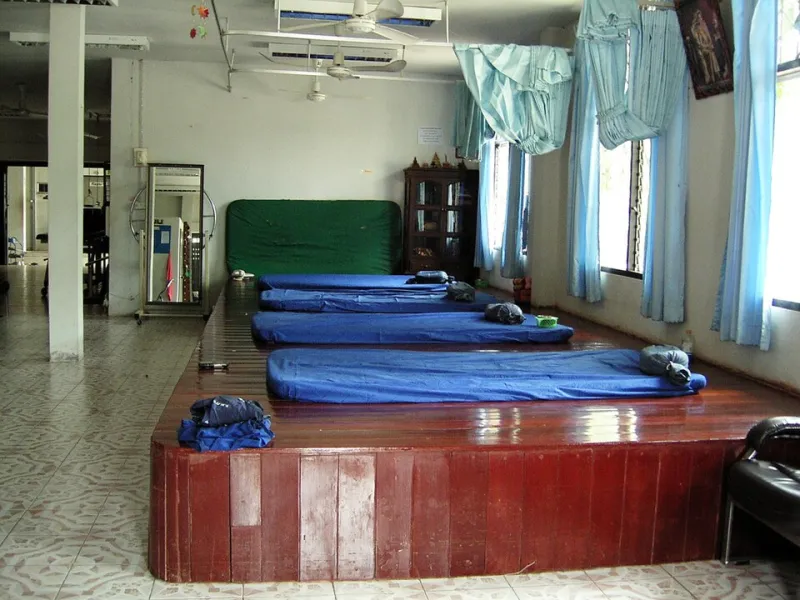
Photo: Per Meistrup, CC BY-SA 4.0, via Wikimedia Commons
Let's do some math before we do anything else, because the math is the story.
A five-day wellness retreat in the US — think Arizona, California, upstate New York — runs $2,500 to $6,000 before flights. In Chiang Mai, you can get a month of rent, daily massages, weekly herbal steams, unlimited Thai yoga classes, and genuinely excellent food for less than the cheap end of that. I'm not exaggerating to sell you something. I'm a freelancer who priced both options last year, then booked the flight.
Why Chiang Mai, Specifically
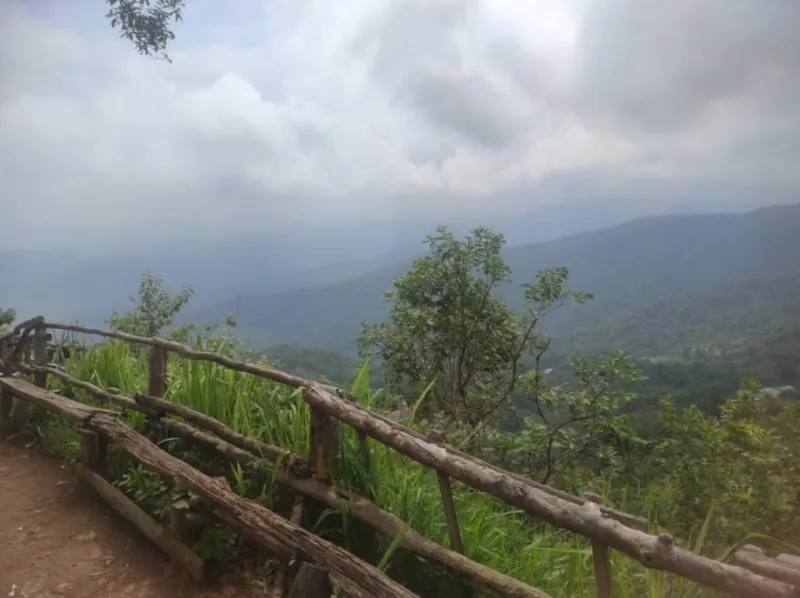
Thailand is the birthplace of traditional Thai massage — nuad thai — and UNESCO added it to its cultural heritage list in 2019. But Bangkok is loud and expensive by Thai standards, and the islands charge a beach tax on everything. Chiang Mai sits in the northern hills where the massage schools are serious, the prices are the lowest in the country, and the atmosphere — moody green mountains, afternoon monsoon rains, mist over the rice paddies outside town — does half the therapeutic work before anyone touches your shoulders.
It also happens to be one of Asia's great remote-work cities, which matters if your wellness trip needs to coexist with a job. Fast Wi-Fi, a huge nomad community, and a cost of living that lets you actually rest instead of watching your bank app anxiously.
The $2 Massage: Training Schools Are the Move
Here's the insider tip that changes everything: get massaged at a massage school.
Chiang Mai is home to respected institutions — the Old Medicine Hospital and the Thai Massage School of Chiang Mai among them — where students in training practice on the public under teacher supervision, at roughly 200 baht an hour. That's around five to six US dollars. Some neighborhood shops and student-run sessions run even less.
Is a student massage the same as a $150 spa session in Scottsdale? No. It's often better — the students are careful, deliberate, and supervised by teachers who've been doing this for decades. The setting is simple: a mat or low table, loose clothing, maybe a fan. It's the most authentic version of the thing, and you're supporting someone's education while you're at it.
Booking tips:
- Walk in mid-morning on weekdays; afternoons fill up with locals.
- Go back to the same student if you like their work — they'll remember your trouble spots.
- Tipping: round up or add 20–50 baht. Not required, always appreciated.
- If you want the teacher-level experience, many schools offer sessions with instructors for around 500–600 baht. Still under $20.
Build Your Own Wellness Week
Skip the packaged retreat. Here's a week that costs less than a nice dinner in Miami:
Monday — Foot massage and market wander. An hour of reflexology at a neighborhood shop (250 baht), then the evening market for mango sticky rice. Total wellness spend: about $8.
Tuesday — Herbal steam bath. Traditional saunas with lemongrass, kaffir lime, and camphor steam, some attached to temples or women's foundations, charge 100–150 baht. You sweat out everything, shower cold, drink ginger tea, and emerge reborn. Total: about $4.
Wednesday — Thai yoga class. Drop-in classes at studios around the old city run 200–300 baht. Thai yoga blends assisted stretching with breathwork — it pairs perfectly with massage culture. Total: about $6.
Thursday — Massage school day. Book a supervised student session, then linger at a café with a book. This is a rest day disguised as an activity day. Total: about $6.
Friday — Spa afternoon, done right. Even the fancy places here are reasonable: a two-hour oil massage and herbal compress package at a well-reviewed spa runs 800–1,200 baht ($22–34). Compare that to $200+ for less skill back home. Total: about $30.
Weekend — Get out of town. A day trip to a rice-field area or an organic farm café outside the city — some offer forest walks, sound baths, or just hammocks — costs little more than a songthaew ride and lunch.
Week total: roughly $60–80 of wellness spending. Add a nice guesthouse ($25–40/night), street-food meals at $2–4 each, and a scooter rental if you're brave, and a full week lands around $600–800 all in, flights aside.
The Rainy Season Is the Secret Season
Everyone chases the cool, dry months of November through February. But June through October — the green season — is when Chiang Mai does its best wellness impression. Afternoon rain showers turn everything emerald, the crowds vanish, guesthouse rates drop, and there is no finer feeling than a deep-tissue massage while monsoon rain drums on the roof. Book a late-afternoon session, then walk home through warm rain with a plastic bag over your phone. Trust me.
One Honest Caveat
Wellness travel can slide into wellness consumption — the same spreadsheet-brained optimization we bring everywhere, now with incense. So let the week be loose. Skip a session. Nap instead. The best-value part of Chiang Mai isn't the $6 massage. It's that, here, rest is cheap enough to actually take.